
Blog

  • How Nurses Working-from-Home Achieve Work-Life Balance and Ensure Patient Confidentiality

    As technology advances and healthcare evolves, more nurses are finding opportunities to work from home. This shift not only offers flexibility but also opens up new avenues for providing patient care. Telehealth, case management, and medical coding are just a few roles that nurses can now perform remotely.

    Nurses Working From Home

    Nurses working from home have become more common due to technological advancements. Remote nursing offers both challenges and opportunities for healthcare professionals.

    Challenges and Opportunities in Remote Nursing

    Remote nursing includes unique challenges. One main challenge is maintaining patient confidentiality. Adhering to HIPAA guidelines can be complex without the structured environment of a clinic. Another challenge is managing work-life boundaries within the home. For opportunities, remote nursing enables flexible work schedules and reduced commuting time. It expands job options, allowing involvement in telehealth, case management, and medical coding. These roles enhance work-life balance, leading to improved job satisfaction. Additionally, healthcare systems benefit from cost savings by utilizing remote nursing.

    Technological Tools That Empower Nurses at Home

    Technological tools play a crucial role in enabling nurses to work efficiently from home. Telehealth platforms allow video consultations, bridging the gap between patients and healthcare providers. Secure electronic health record (EHR) systems ensure the safe handling of patient data, complying with privacy regulations. Nursing-specific software, such as clinical decision support systems, aids in accurate patient assessments. Communication tools like secure messaging apps facilitate real-time collaboration among healthcare teams. Reliable internet connections and ergonomic setups enhance productivity and comfort for remote nurses. By leveraging these technologies, nurses can deliver high-quality care from home.

    Benefits of Working From Home for Nurses

    Remote nursing offers numerous advantages, enhancing overall job satisfaction and efficiency.

    Better Work-Life Balance

    Nurses working from home experience an improved work-life balance. Flexible schedules allow them to manage personal commitments more effectively by integrating work around family time or errands. This flexibility leads to less stress and better mental health, contributing to higher job satisfaction. Additionally, nurses can tailor their work environment, enhancing comfort and productivity.

    Reduced Commuting Stress

    Working from home eliminates commuting stress for nurses. Without daily travel, nurses save time and money, which can be significant, especially in urban areas. This extra time can be redirected to patient care, continuing education, or personal activities.

    Setting Up a Home Office for Nursing Work

    Optimizing a home office for remote nursing involves several key considerations. According to the American Nurses Association (ANA), a well-organized workspace improves productivity and maintains patient confidentiality.

    Choosing the Right Space

    Select a quiet area away from household distractions. Ensure the space offers privacy, especially crucial for patient consultations. Ideal locations include spare bedrooms or converted study areas.

    Essential Furniture and Equipment

    Invest in ergonomic furniture. An adjustable chair and convenient desk prevent strain during long hours. Required equipment includes a high-resolution monitor, a reliable computer, and a headset with a microphone. Secure internet connectivity ensures seamless communication.

    Organizing Medical Resources

    Keep all necessary medical references and materials within reach. Utilize shelves or drawers to store patient files, medical supplies, and nursing tools. Digital resources like drug databases and EHR systems should be easily accessible.

    Employ tools like VPN services to protect patient data. Follow HIPAA guidelines by using secure communication platforms for telehealth. Ensure your computer has updated anti-virus software. Position screens to avoid visibility from outside family members.

    Establishing Work-Life Boundaries

    Maintain a schedule to separate work and personal life. Use planners to schedule consultations and administrative tasks. Periodic breaks help avoid burnout. Inform family members about your work hours to reduce interruptions.

    Setting up an efficient home office means balancing ergonomic comfort, technological adequacy, and confidentiality.

    Legal and Ethical Considerations

    Nurses working from home must navigate various legal and ethical considerations to ensure patient safety and confidentiality. Adhering to HIPAA regulations is crucial, requiring secure communication channels and proper handling of patient data. They should also be aware of state-specific telehealth laws and licensing requirements to avoid legal pitfalls.

    Maintaining professional boundaries while working remotely is essential. Clear communication with patients and colleagues helps uphold the standards of care.

  • Creating an Effective Parenting Time Scheduling: A Comprehensive Steer for Co-Parents

    Navigating the world of co-parenting post-separation or divorce can be a daunting task. One of the most critical aspects to master is the parenting time schedule. It’s more than just a calendar—it’s a roadmap for shared responsibilities and quality time with your children.

    A well-planned parenting time schedule can help reduce conflict, provide consistency for children, and ensure that both parents remain active in their kids’ lives. But how do you create an effective schedule that meets everybody’s needs? This article will provide some insights and practical tips to guide you through the process. Stay tuned as we delve into the world of parenting time schedules and their impact on a harmonious co-parenting relationship.

    Parenting Time Schedule

    The parenting time schedule plays a critical role in shared child-rearing after separation. It presents a foundational support structure to maintain consistent engagements with children, ensuring a smooth adaptation to new family dynamics.

    Parenting time schedules, often termed visitation calendars, outline when each parent spends time with their children post-separation or divorce. They include details on weekdays, weekends, holidays, school breaks, and special occasions, presenting a comprehensive overview of shared responsibilities. These calendars aren’t merely about noting dates and times. They represent a structural framework facilitating regular contact with kids, fostering a nurturing environment for them.

    Example: In a typical parenting time schedule, one parent might have the kids on every other weekend, alternating holidays, and half of the school vacations. The other parent would fill in the remaining time, ensuring the children have continuous support and engagement from both parents.

    Key Components of an Effective Parenting Time Schedule

    An effective parenting time schedule features multiple integral components. Two prime elements necessary for a successful timetable involve structure, predominantly in the form of routine, and the ability to adapt to distinct circumstances, encapsulated by flexibility and special occasions.

    A structured routine emerges as a vital aspect of any efficient parenting schedule. Routines provide a sense of security to children, which proves essential following a separation. It injects familiarity into their lives, while promoting the child’s well-being and diminishing the potential emotional distress. Ideally, a routine encompasses both daily activities such as school, extracurricular activities, and regular sleep hours, as well as fixed days when children spend time with the respective parent.

    For instance, they might spend weekdays with one parent, and alternate weekends and holidays with the other. Regular schedules also enable parents to distribute responsibilities fairly and maintain consistency in the child’s life, reinforcing order in the midst of change.

    Flexibility and Special Occasions

    While predictability remains key, an effective parenting time schedule also embraces flexibility. Parents need to work together to accommodate unexpected changes, such as school events, illnesses, or conflicts in a parent’s schedule.

    Concurrently, the recognition of special occasions holds importance. Celebratory moments like birthdays, religious holidays, or even annual family get-togethers add to this list. A fair, pre-planned agreement allows both parents to participate in these events, fostering a balanced environment for children to maintain cherished relationships from both sides.

    For instance, if a child’s birthday falls on a weekday, usually spent with one parent, the other parent might plan a special celebration for the weekend preceding or following the actual date. This adaptation not only supports child’s emotional well-being, but it also diminishes potential parental conflict.

    Common Challenges and Solutions in Parenting Time Schedules

    Parenting time schedules pose unique challenges. This section examines these challenges and offers potential solutions.

    One primary challenge faced in managing parenting time schedules involves successful coordination between parents. Disputes can arise from disagreements on schedule, miscommunication, and inconsistencies in following the set routine. Meticulous planning, enhanced communication, early resolution of disputes, and respect for the other parent’s designated time are vital solutions to these hurdles. Using digital tools, such as co-parenting apps, may offer a streamlined procedure for scheduling and changing appointments, increasing transparency and reducing conflict instances. For example, these apps often include shared calendars, messaging features, expense tracking, etc., that foster coordination and help maintain a healthy co-parenting relationship.

  • Explore the Best Viking Video Game: Mythology, Battles, and Immersive Storytelling

    Viking video games have surged in popularity, captivating players with their rich lore and brutal combat. These games transport players to a time of fierce warriors, epic battles, and mythical gods, offering an immersive experience that blends history with fantasy.

    Viking Video Games

    Viking video games have captivated players with their rich storytelling and fierce battles. These games often blend historical events with mythical elements, creating varied and engaging experiences.

    Historical Accuracy in Viking Games

    Many Viking games prioritize historical accuracy to enhance immersion. Games like Assassin’s Creed Valhalla meticulously recreate Viking-era architecture, clothing, and weaponry. Developers often consult historians to ensure the portrayal of Norse culture and events aligns with historical findings. For instance, the use of longships and the depiction of Viking raids reflect authentic practices from the Viking Age.

    Popular Themes and Storylines

    Viking games frequently explore themes of exploration, conquest, and mythology. Common storylines include epic quests across unknown territories, battles against mythical creatures, and forging alliances. God of War integrates Norse mythology, depicting gods like Odin and Thor as central to the plot. Hellblade: Senua’s Sacrifice intertwines Viking lore with psychological elements, creating a darker narrative.

    Action-Adventure Viking Games

    Action-adventure Viking games immerse players in dynamic combat and expansive worlds. Assassin’s Creed Valhalla allows players to live as Eivor, a Viking raider, offering both sea and land exploration. God of War features Kratos navigating the Norse realms, engaging in strategic battles. These games emphasize fast-paced action, character progression, and open-world environments.
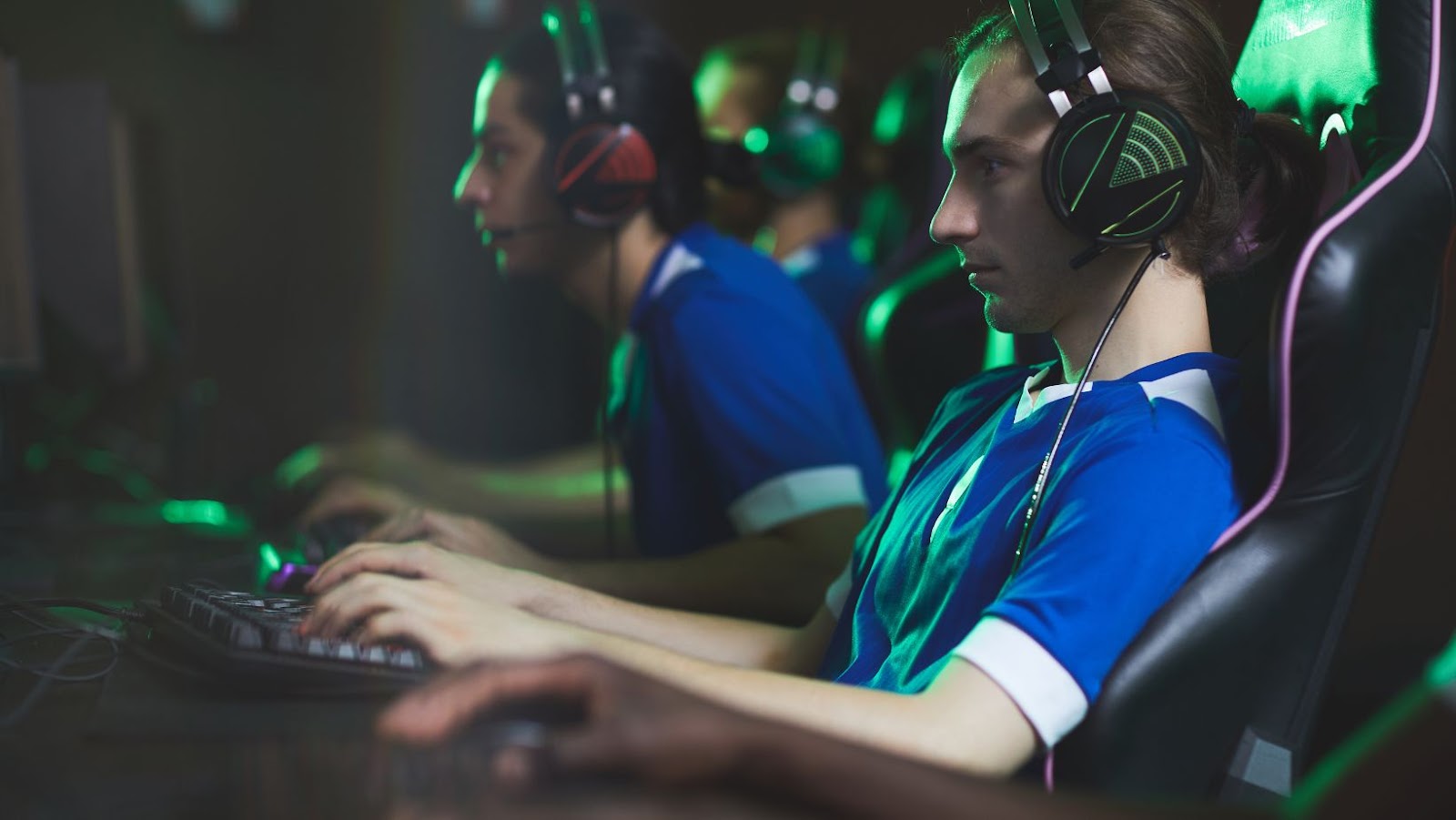
    Strategy-Based Viking Games

    Strategy-based Viking games focus on resource management, tactical combat, and territorial expansion. Northgard challenges players to build settlements, manage resources, and fend off enemies in a mythical setting. Total War Saga: Thrones of Britannia lets players lead Viking factions in conquest campaigns, emphasizing diplomacy and war strategy. These games require decision-making skills and strategic planning to succeed.

    The Impact of Norse Mythology on Game Design

    Influence on Character Development

    Characters in Viking video games often draw directly from Norse gods, legendary heroes, and mythological creatures. Thor, Odin, and Loki frequently appear, either as protagonists, antagonists, or pivotal figures guiding the player’s journey. For example, in “God of War,” the protagonist, Kratos, encounters and interacts with Norse gods, each character intricately detailed to reflect their mythological roots.

    Impact on Storytelling

    Storytelling in these games often revolves around epic sagas filled with quests for glory, revenge, or survival. Norse myths such as Ragnarok—the prophesied end of the world—serve as central narratives, creating high-stakes environments that compel players. “Hellblade: Senua’s Sacrifice” employs Norse myths to deepen its narrative, using the mythology to explore themes of mental illness and personal struggle.

    Design of Game Worlds

    Norse mythology also informs the environmental design, bringing the mythic landscapes of Asgard, Midgard, and the nine realms to life. Developers combine historical Viking settings with fantastical elements to create immersive worlds. “Assassin’s Creed Valhalla” seamlessly blends real Viking environments with mythological locations like Jotunheim, offering players a comprehensive Norse experience.

    Influence on Game Mechanics

    Game mechanics in Viking video games often incorporate elements from Norse culture, such as combat styles and magical abilities. Players might wield weapons like Mjolnir, Thor’s hammer, or harness runic powers rooted in Norse cosmology. “Northgard” uses the idea of resource management and survival strategies from Norse myths, where players tend to their clans while dealing with mythological threats.

    Integration of Mythological Themes

    Mythological themes like fate, destiny, and the gods’ capricious nature frequently appear in Viking video games. These themes add complexity to the gameplay, requiring players to make choices that affect their fate. “The Banner Saga” series integrates Norse themes of fate and prophecy, influencing both the story and gameplay, where players’ decisions impact the narrative flow and character destinies.

    Use of Symbolic Imagery

    Symbolic imagery from Norse mythology, such as Yggdrasil (the World Tree) and runes, is pervasive in game design. These symbols often serve as quest markers, lore elements, or magical items within the game. “Hellblade: Senua’s Sacrifice” utilizes runes not only decoratively but as integral parts of puzzles and story progression, grounding the game in its mythological context.